In the words of Dr Rajneesh Kapoor, DNB, MD (Internal Medicine), MBBS — Chairman, Interventional Cardiology, Medanta – The Medicity, Gurugram. Published .
Recorded video statement by Dr Rajneesh Kapoor, spoken in Hindi and English. Quotes below are translated from his own words; the original transcript is at the end.
Key takeaway: Dr Rajneesh Kapoor, Chairman of Interventional Cardiology at Medanta, Gurugram, says families often bring him the reports of relatives who died of heart valve disease, and that in some of these cases timely TAVR (for aortic stenosis) or MitraClip (for mitral regurgitation) might have saved the patient. Both are catheter-based options that can be considered even when open-heart surgery is too risky. His message: knowing about them in time can save a life.
Considering TAVR or MitraClip for a family member?
This is Dr Rajneesh Kapoor’s direct number. Keep the patient’s echocardiogram and other heart reports ready.
Some of the hardest conversations in Dr Kapoor’s clinic happen after a death. Families come in, sometimes for their own check-up, and mention a relative who could not be saved. When they share that relative’s medical reports, the pattern is often familiar to a structural heart specialist.
“When they shared the reports with us, we felt that if we had offered this patient MitraClip, or TAVR for aortic stenosis, at the right time, we might have been able to save their life.”
Translated from Hindi.
The realisation, he says, lands on the family too: if they had only known these options existed, their relative might have survived.
Both procedures Dr Kapoor names are done through a catheter rather than by opening the chest.
His central point is that these options matter most for the patients families may assume are beyond help:
“People should know these procedures are available, even where surgery is not possible, where the patient is at very high risk and their life is in danger. If they know about these things in time, a life can be saved.”
Translated from Hindi. In his words: “अगर उनको timely ये चीजें पता हों तो वो जान बचाई जा सकती है।”
Valve disease often progresses quietly. These symptoms are worth discussing with a doctor, particularly in older adults:
An echocardiogram, an ultrasound of the heart, is the usual first test. Read more on signs and simple tests for heart valve disease.
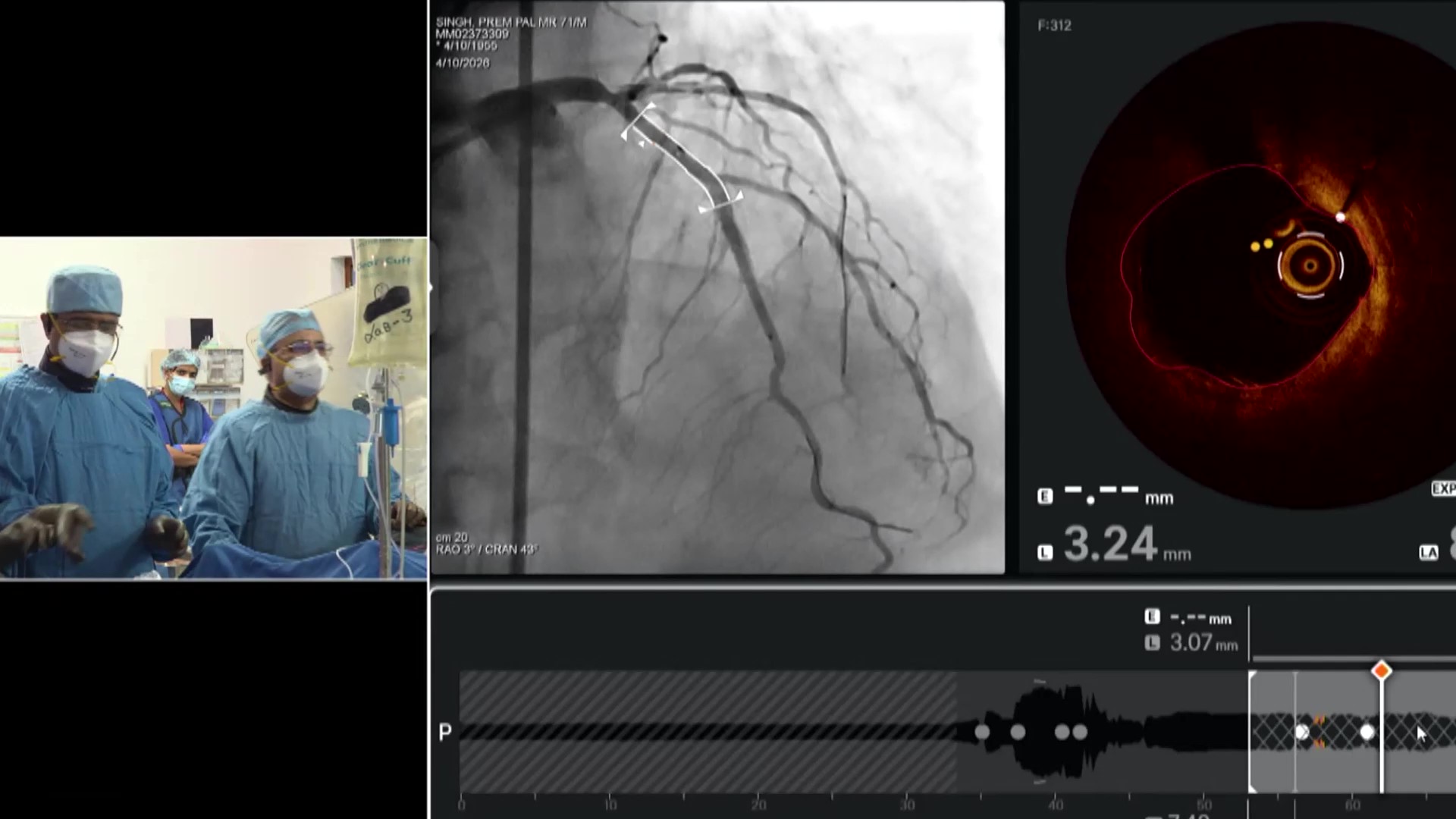
Dr Kapoor is Chairman of Interventional Cardiology at Medanta – The Medicity, Gurugram, and specialises in TAVR/TAVI, TMVR and MitraClip. He has proctored around 70–80 structural heart cases at other hospitals, including in Bangladesh and Nepal, and in October 2026 mentored TAVR teams in Vietnam; he describes that work here. His study of 305 patients with severe aortic stenosis, on why younger patients increasingly seek TAVR, was reported by The Tribune. The video also includes Hindi press coverage of his TAVI work and his appearance on the health programme “हमलोग – रखें दिल का ख्याल”. More of his patient resources are at tavr-india.com.
Discuss a TAVR or MitraClip evaluation directly with Dr Rajneesh Kapoor
This is Dr Rajneesh Kapoor’s direct number. Keep the patient’s echocardiogram and other heart reports ready.
Yes. Both are catheter-based procedures that can be considered for patients who cannot safely undergo open-heart surgery. Dr Rajneesh Kapoor stresses that these options exist even where surgery is not possible and the patient is at very high risk.
TAVR (also called TAVI) replaces a severely narrowed aortic valve, a condition called aortic stenosis. MitraClip, a transcatheter edge-to-edge repair (TEER), clips a leaking mitral valve so it closes better, treating mitral regurgitation.
Families have shared with him the medical reports of relatives who died of heart valve disease. In some of these cases, he felt that offering MitraClip or TAVR at the right time might have saved the patient. He says people need to know these procedures exist so they can seek them in time.
Common symptoms include breathlessness during activity or when lying down, chest pain or tightness on exertion, dizziness or fainting, unusual tiredness, palpitations or an irregular heartbeat, and swollen ankles or feet. Some people have no symptoms, so a heart murmur found by a doctor should also be checked.
An echocardiogram, an ultrasound scan of the heart, is the standard test. It shows how narrowed or leaky a valve is and helps the heart team decide whether TAVR, MitraClip or surgery is suitable.
Dr Rajneesh Kapoor is Chairman of Interventional Cardiology at Medanta – The Medicity, Gurugram, specialising in TAVR/TAVI, TMVR and MitraClip. He has proctored around 70–80 structural heart cases outside Medanta, including in Bangladesh and Nepal, and mentored TAVR teams in Vietnam in October 2026.
You can contact Dr Rajneesh Kapoor directly on +91 99719 91740 by call or WhatsApp. Keeping the patient’s echocardiogram and other heart reports ready helps him assess whether TAVR or MitraClip may be suitable.
Original, as spoken
इसके ऊपर बहुत instances हैं हमारे पास, जिसमें ये हमने देखा या पाया भी, हमारे पास patient आए जिन्होंने ये discuss किया कि उनके किसी relative का loss of life हुआ, वो नहीं बच पाए किसी कारण। और जब उन्होंने reports शेयर करी हमसे कि ऐसा हुआ था, तो हमें लगा कि अगर इस patient को हम ये offer करते right time पे, MitraClip या aortic stenosis के लिए TAVR, तो शायद इस patient की जान बचा सकते थे। उस discussion से निकला, patient ने या family ने ये सोचा कि अगर उनको ये पता होता तो शायद वो बच जाते। So awareness का बहुत बड़ा role है इसमें। लोगों को ये पता होना चाहिए ये procedures available हैं, जहां surgery भी नहीं हो सकती, जहां बहुत high risk पे है patient, patient की जान को खतरा है। अगर उनको timely ये चीजें पता हों तो वो जान बचाई जा सकती है।
English translation
We have many instances where we have seen this. Patients came to us and told us that a relative had lost their life, that they could not be saved for some reason. And when they shared the reports with us, we felt that if we had offered this patient MitraClip, or TAVR for aortic stenosis, at the right time, we might have been able to save their life. What came out of that discussion is that the patient or the family thought: if only they had known, perhaps their relative would have survived. So awareness has a very big role in this. People should know these procedures are available, even where surgery is not possible, where the patient is at very high risk and their life is in danger. If they know about these things in time, a life can be saved.
Medical disclaimer: This article shares a specialist’s professional perspective for public awareness and is not a substitute for individual medical advice. Suitability for TAVR, MitraClip or surgery is decided by a heart team after evaluation. Medically reviewed by Dr Rajneesh Kapoor on 13 October 2026.