
For decades, the phrase "heart valve replacement" was synonymous with major open-heart surgery—long incisions, several hours under general anesthesia, and months of grueling recovery. But is that era coming to an end?
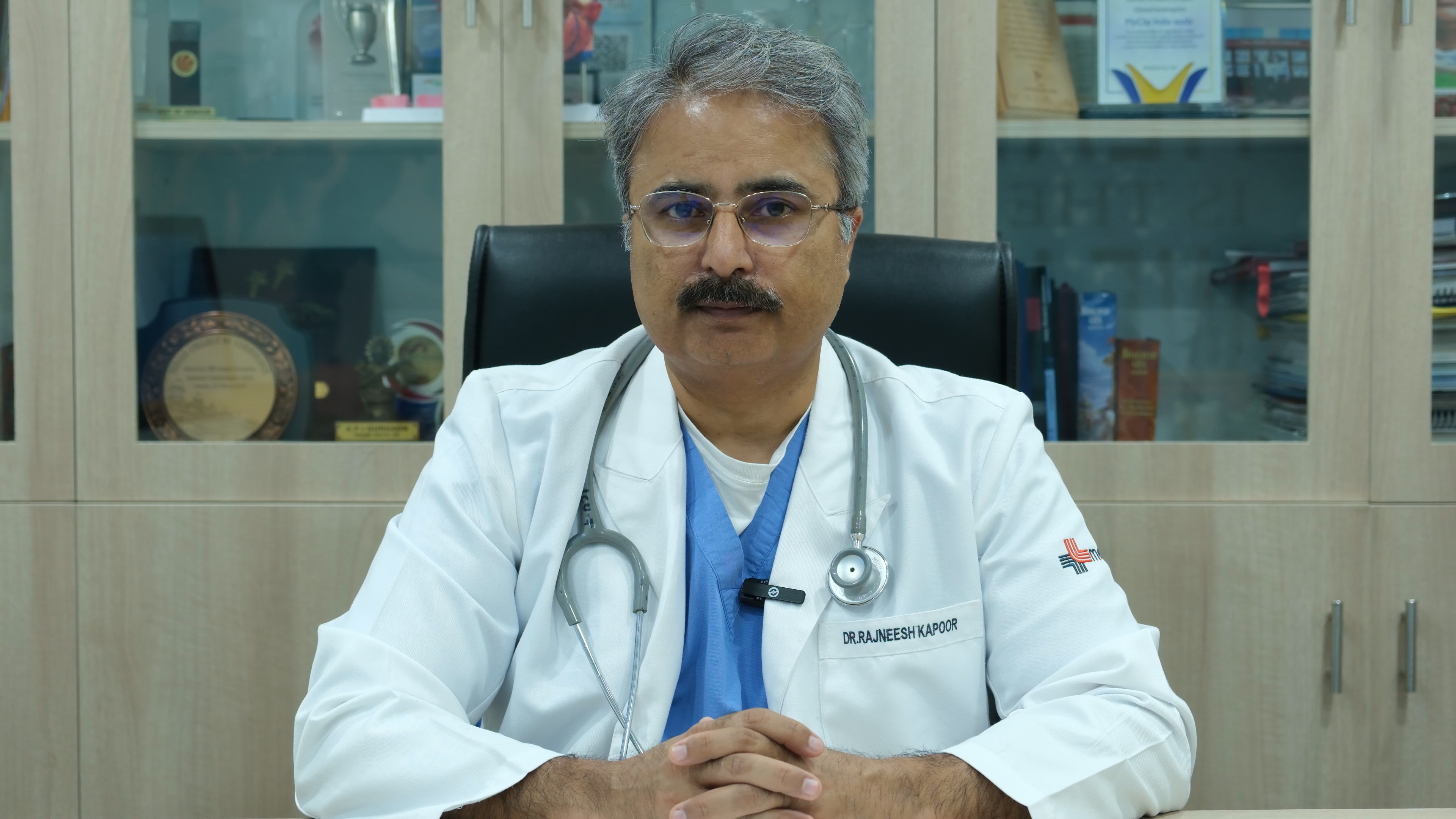
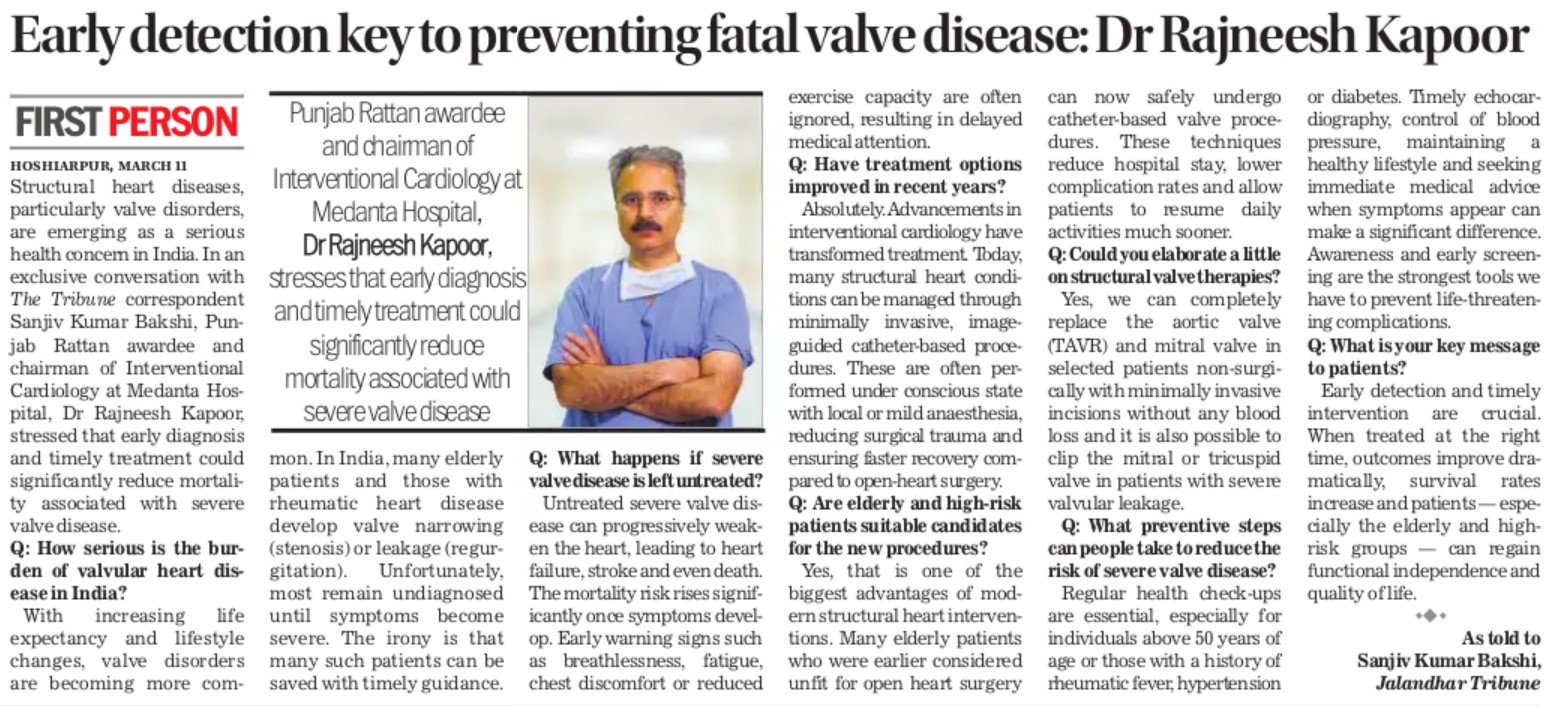
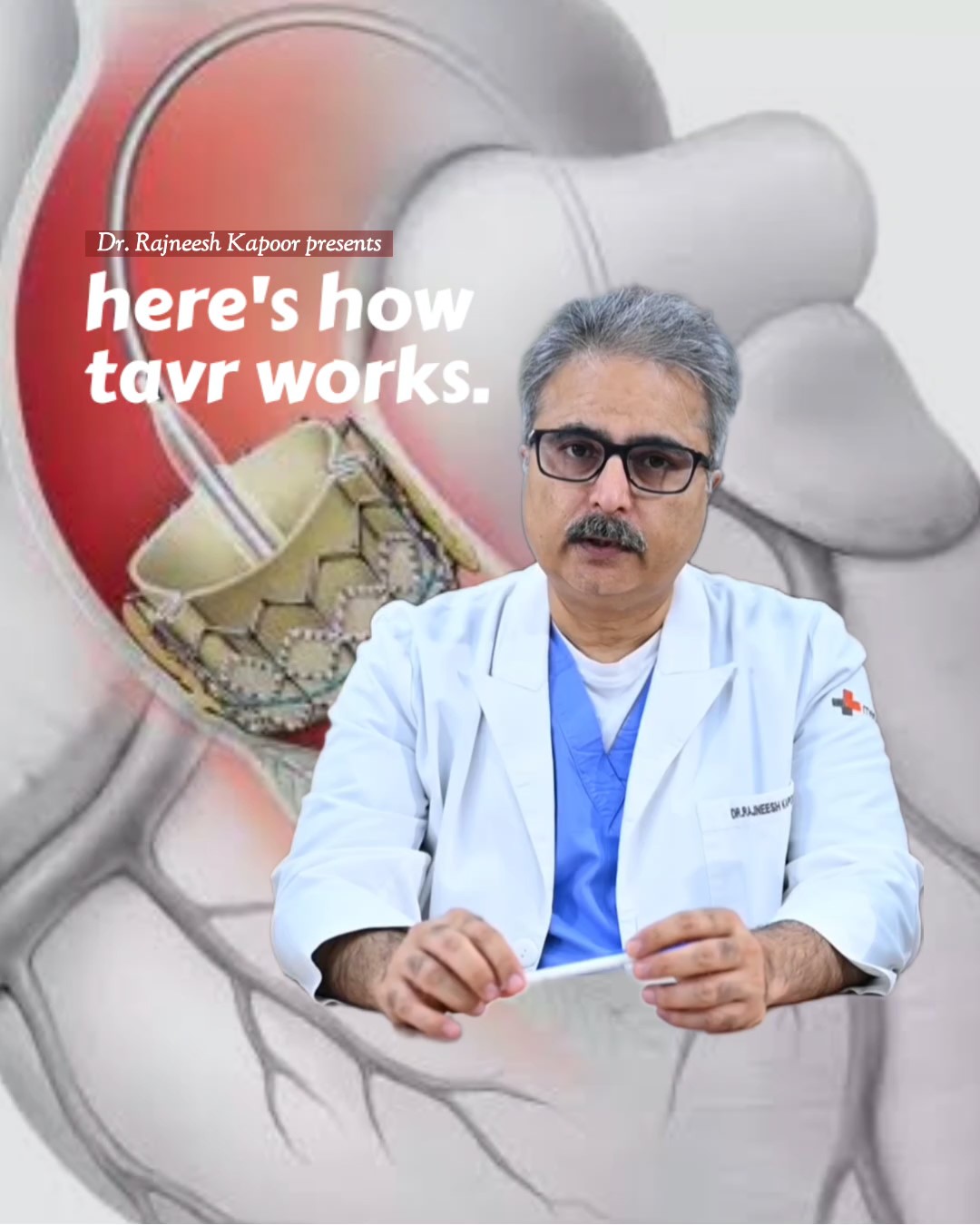
In a recent featured interview with Sanjiv Kumar Bakshi, correspondent at The Tribune, Dr. Rajneesh Kapoor, Punjab Rattan awardee and Chairman of Interventional Cardiology at Medanta Hospital, shared how a quiet revolution in "catheter-based" procedures is changing everything we know about heart care.
The Shift: From Scalpels to Catheters
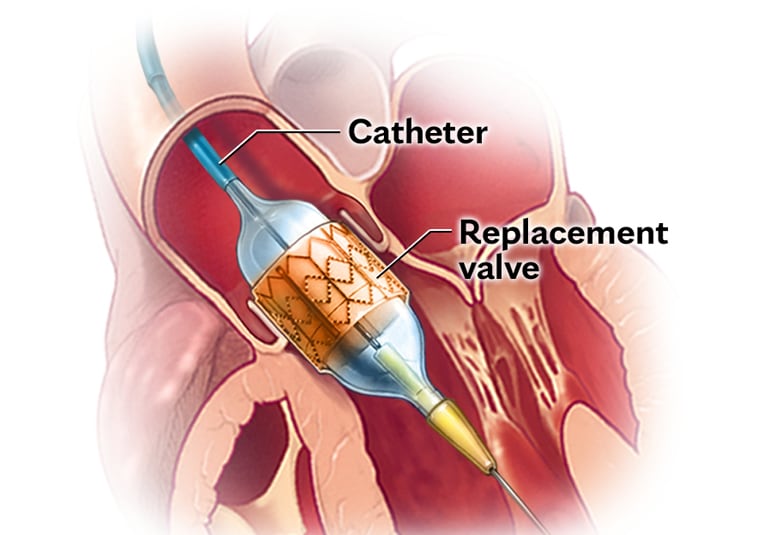
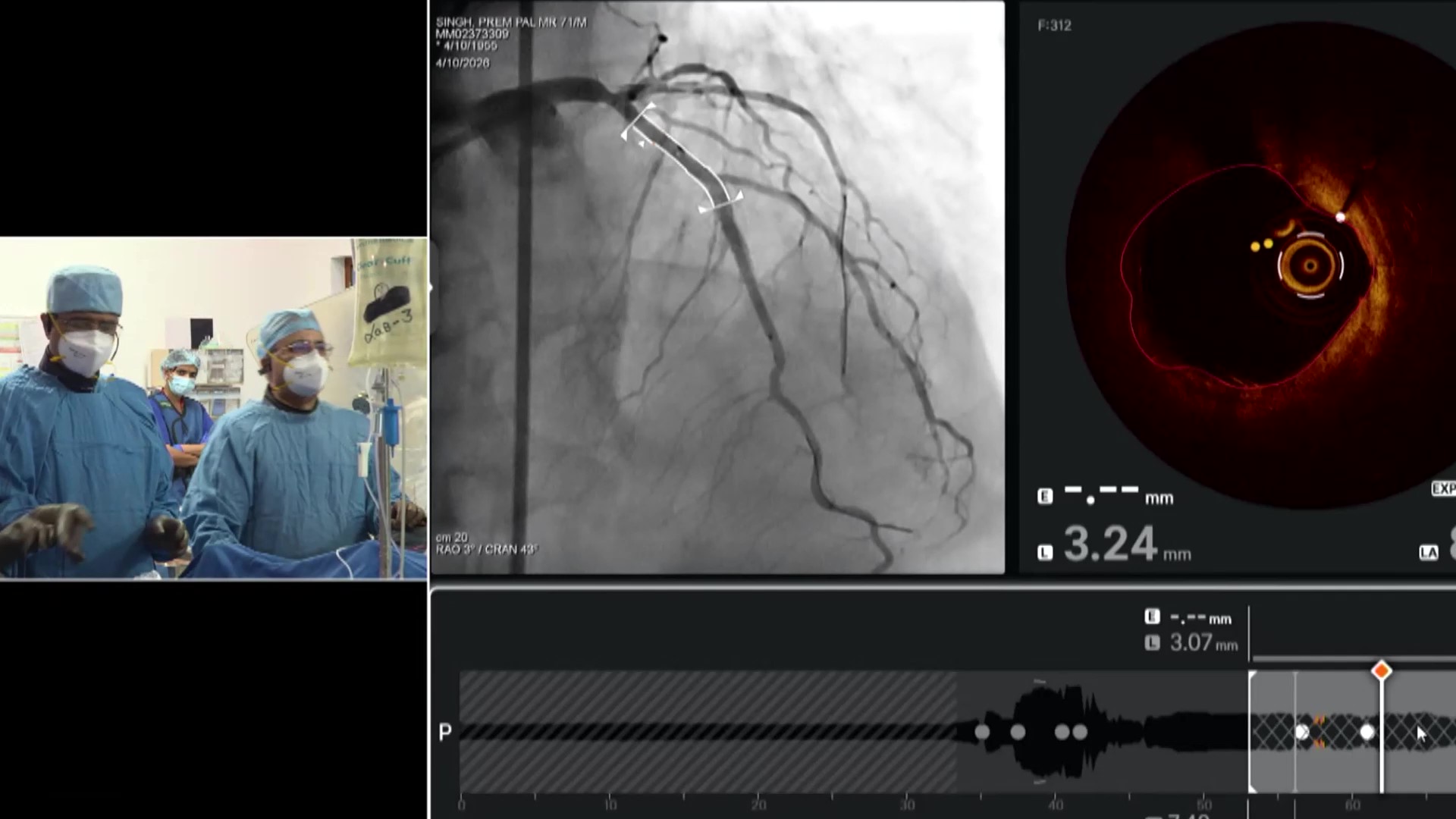
The traditional approach to treating structural heart disease (like Aortic Stenosis or Mitral Regurgitation) required opening the chest cavity. Today, Dr. Kapoor explains that we are moving toward minimally invasive, image-guided interventions.
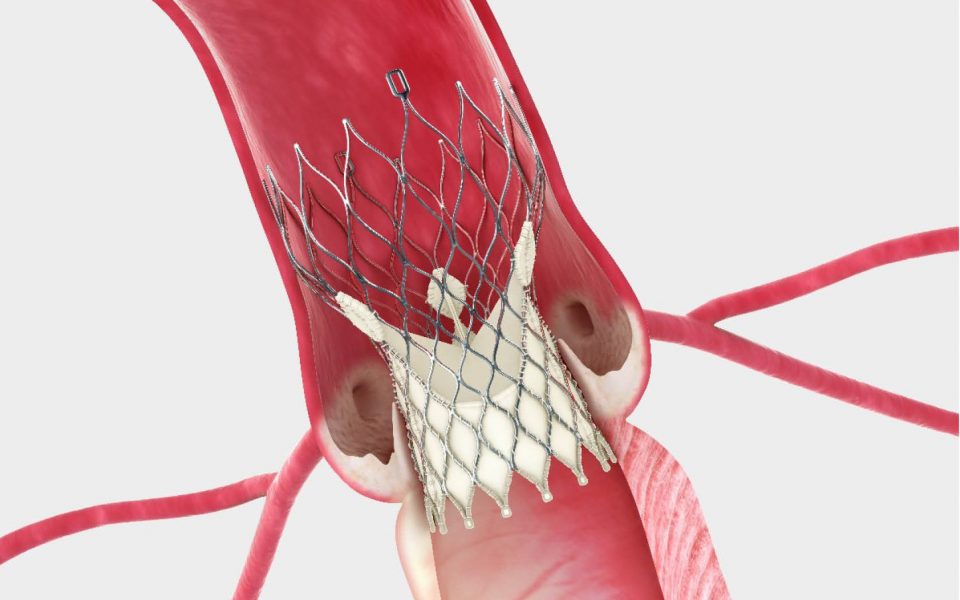
Instead of a large incision, these procedures are performed through a tiny puncture, usually in the leg. A thin tube (catheter) is guided to the heart to repair or replace the valve while the heart is still beating.
"Advancements in interventional cardiology have transformed treatment. Today, many structural heart conditions can be managed through minimally invasive procedures... reducing surgical trauma and ensuring faster recovery." — Dr. Rajneesh Kapoor
Why This Matters for "High-Risk" Patients
Historically, many elderly patients or those with co-morbidities like diabetes or lung disease were told they were "too weak" for open-heart surgery. They were left with no options.
Catheter-based therapies have changed that narrative:
The "Golden Hour" of Detection
While the technology is life-changing, Dr. Kapoor stresses that innovation is only as good as early detection. Heart valve disease is often a "silent killer" in India because symptoms like fatigue or mild breathlessness are frequently dismissed as "just getting old."
Warning Signs to Watch For:
Is Open-Heart Surgery Over?
While complex cases still require traditional surgery, the trend is clear: the future of cardiology is interventional. For the majority of patients—especially the elderly—catheter-based procedures are becoming the first choice, not the last resort.
Dr. Kapoor’s Final Message: "Awareness is your strongest tool. If you are over 50 or have a history of rheumatic fever, a simple echocardiography could save your life."
Share This News