
Reviewed by Dr. Rajneesh Kapoor, Interventional Cardiologist
Last updated: 2026/08/08
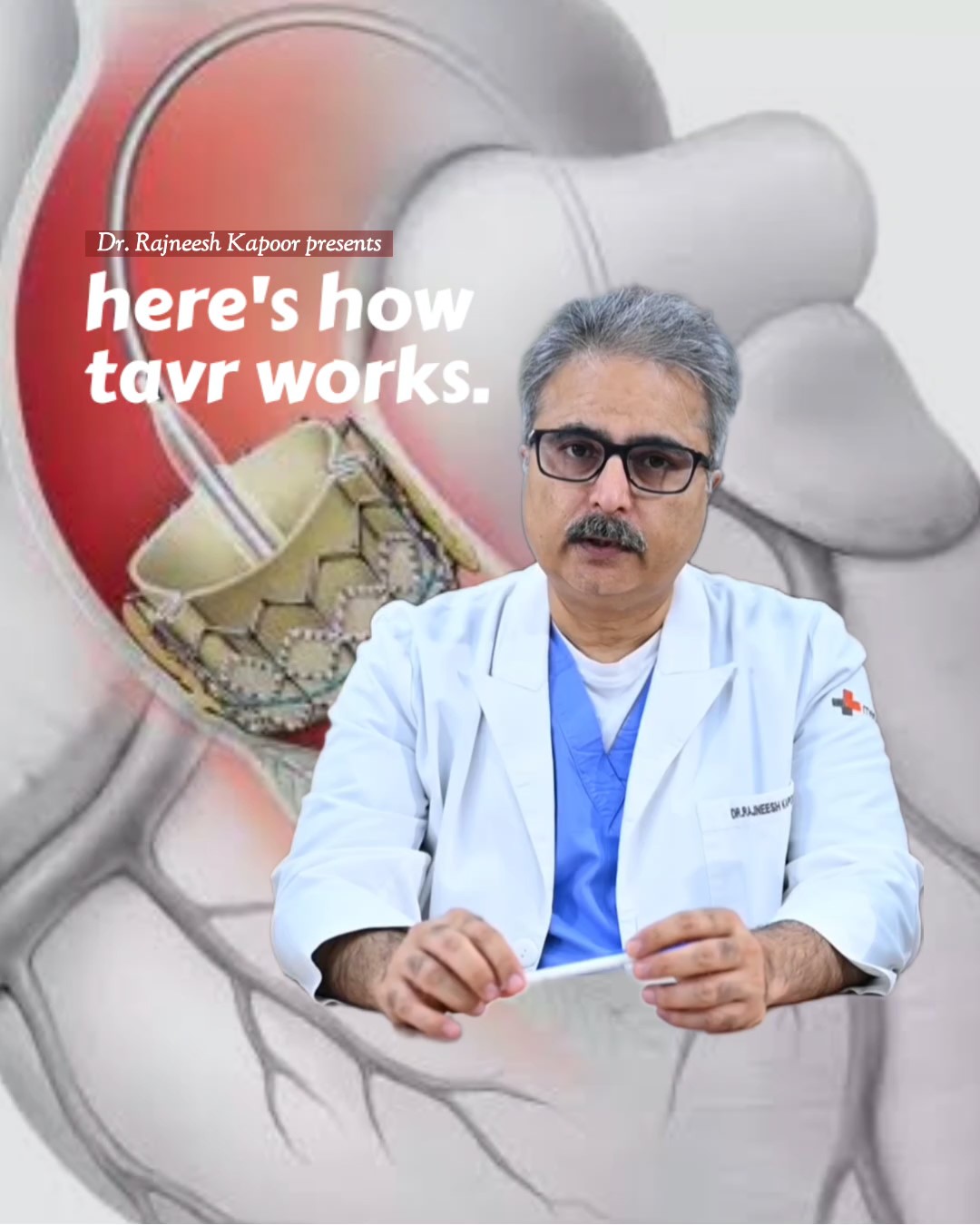
- TAVR (Transcatheter Aortic Valve Replacement) is a minimally invasive procedure that treats aortic stenosis without open-heart surgery.
- The procedure is performed through an artery in the groin, avoiding a chest incision.
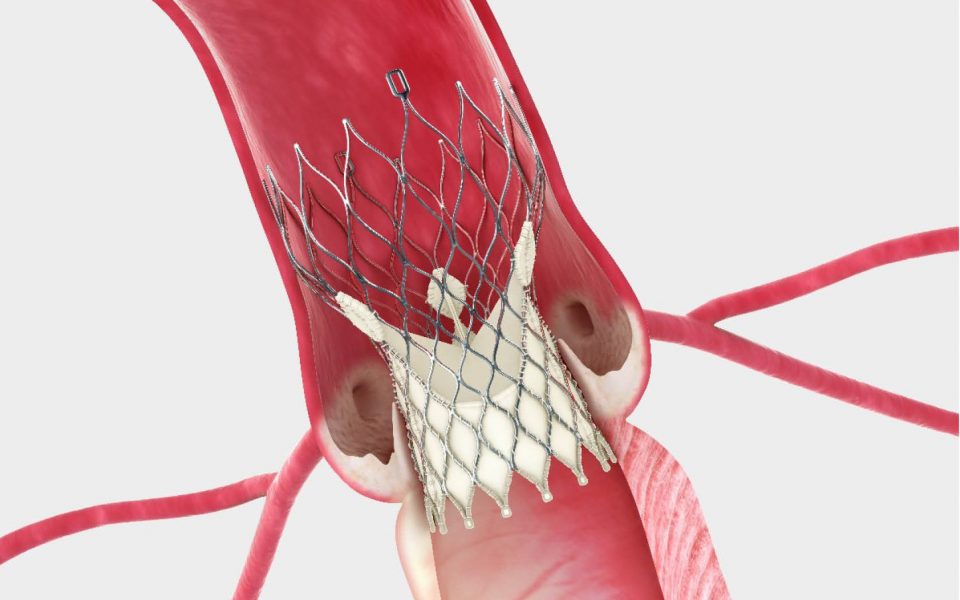
- A new valve — either balloon-mounted or self-expanding — is guided to the heart and starts functioning immediately.
- TAVR has been performed for over a decade, with a well-established safety and outcomes record.
What Is TAVR?
TAVR, or Transcatheter Aortic Valve Replacement, is a procedure used to treat aortic stenosis — a condition in which the aortic valve narrows or stiffens, restricting blood flow from the heart. Unlike traditional open-heart valve surgery, TAVR is performed without opening the chest.
According to Dr. Rajneesh Kapoor, an interventional cardiologist who has performed the procedure for nearly 10 years: "TAVR gives us a way to replace a diseased valve while avoiding the risks and recovery time associated with open surgery."
Who Needs TAVR?
TAVR is primarily indicated for patients diagnosed with aortic stenosis, particularly those who:
- Are at higher risk for complications from open-heart surgery
- Have significant symptoms related to a narrowed aortic valve
- Have been evaluated by a cardiac team as suitable candidates for a catheter-based approach
The TAVR procedure follows a well-defined, minimally invasive process:
1. Access: The cardiologist accesses the heart through an artery in the groin — no chest incision is required.
2. Catheter delivery: A catheter carrying the new valve is guided through the blood vessels to the site of the diseased aortic valve.
3. Valve deployment: The new valve — which may be balloon-mounted or self-expanding, depending on the case — is positioned and deployed.
4. Replacement: The new valve pushes the diseased valve aside and takes over its function immediately.
Recovery is typically faster than with open-heart surgery, and many patients experience relief from symptoms shortly after the procedure.
Is TAVR Safe? What Does the Experience Show?
TAVR has been performed clinically for roughly a decade, and the procedure now has a substantial body of experience behind it. Centers performing high volumes of TAVR procedures — including Dr. Kapoor's — have refined the technique over hundreds of cases.
[Dr. Kapoor's team has performed over 1200 TAVR procedures since 2016.]
| Factor | TAVR | Open-Heart Surgery |
|---|---|---|
| Incision | None (catheter-based, via groin) | Chest incision required |
| Recovery time | Generally shorter | Generally longer |
| Candidacy | Often used for higher-risk patients | Traditional standard approach |
| Valve function | Begins immediately after deployment | Begins after surgical placement |
--------------------------------------------------------------------------------
Frequently Asked Questions
TAVR stands for Transcatheter Aortic Valve Replacement, a minimally invasive procedure to replace a diseased aortic valve.
No. TAVR is performed through a catheter inserted via the groin, without opening the chest.
TAVR uses either a balloon-mounted valve or a self-expanding valve, depending on the patient's condition and anatomy.
The new valve begins functioning immediately after it is deployed during the procedure.
Patients with aortic stenosis, particularly those for whom open-heart surgery carries higher risk, are typically evaluated as TAVR candidates. A cardiologist determines candidacy on a case-by-case basis.
This content is for educational purposes only and does not constitute medical advice. Please consult a cardiologist to determine if TAVR is appropriate for your condition.

Share This News