This article shares the personal account of Charanjit Singh, a patient who underwent TAVI (Transcatheter Aortic Valve Implantation) at Medanta Hospital, Gurugram. It is intended for general awareness only and does not constitute medical advice. Individual experiences and outcomes can vary; please consult a qualified cardiologist for guidance specific to your health.
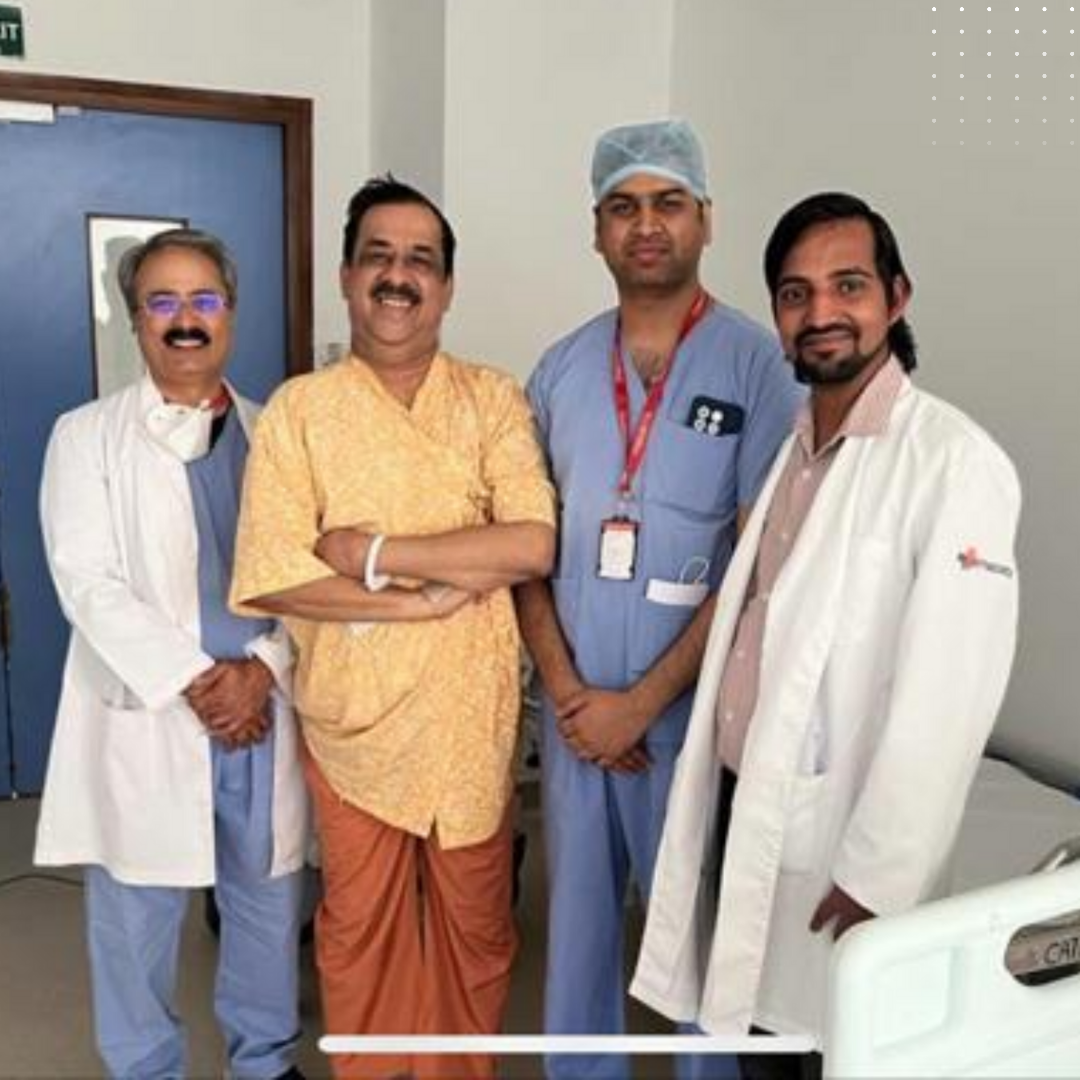
Charanjit Singh describes experiencing breathlessness and fatigue over a period of time. Following further medical evaluation, he was diagnosed with Aortic Stenosis — a narrowing of the heart's aortic valve that can restrict blood flow and place strain on the heart. He subsequently underwent TAVI, a catheter-based procedure used to replace a damaged aortic valve as an alternative to open-heart surgery in appropriate candidates, under the care of Dr. Rajneesh Kapoor, Chairman - Interventional Cardiology, Medanta Hospital, Gurugram. In the video, Charanjit shares how his day-to-day life changed following treatment.
About Aortic Stenosis
Aortic stenosis is a narrowing of the aortic valve that can restrict blood flow from the heart. Symptoms may include breathlessness, fatigue, chest discomfort, or fainting, and can vary significantly between patients. A cardiologist's evaluation is needed to diagnose and determine appropriate treatment.
About TAVI
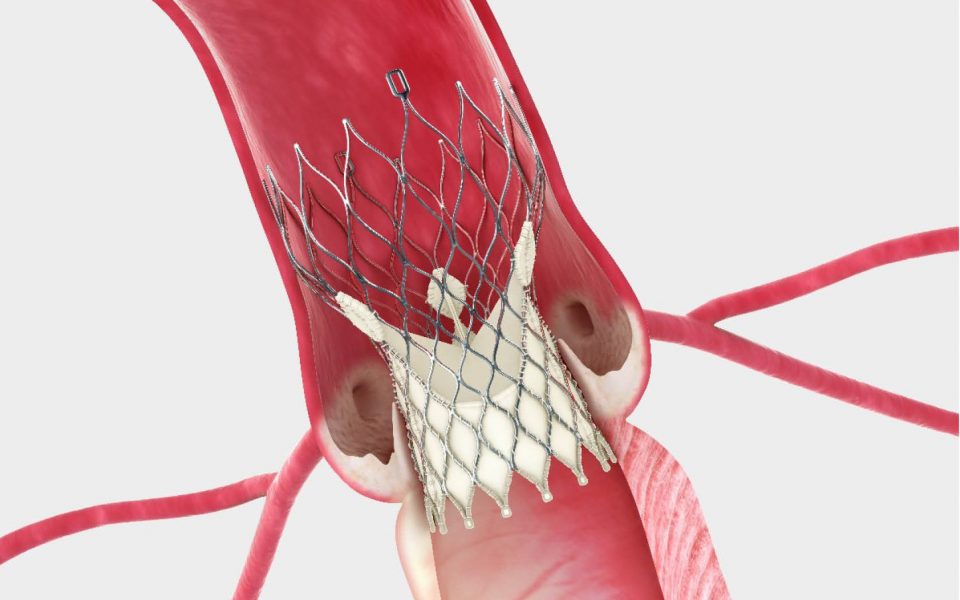
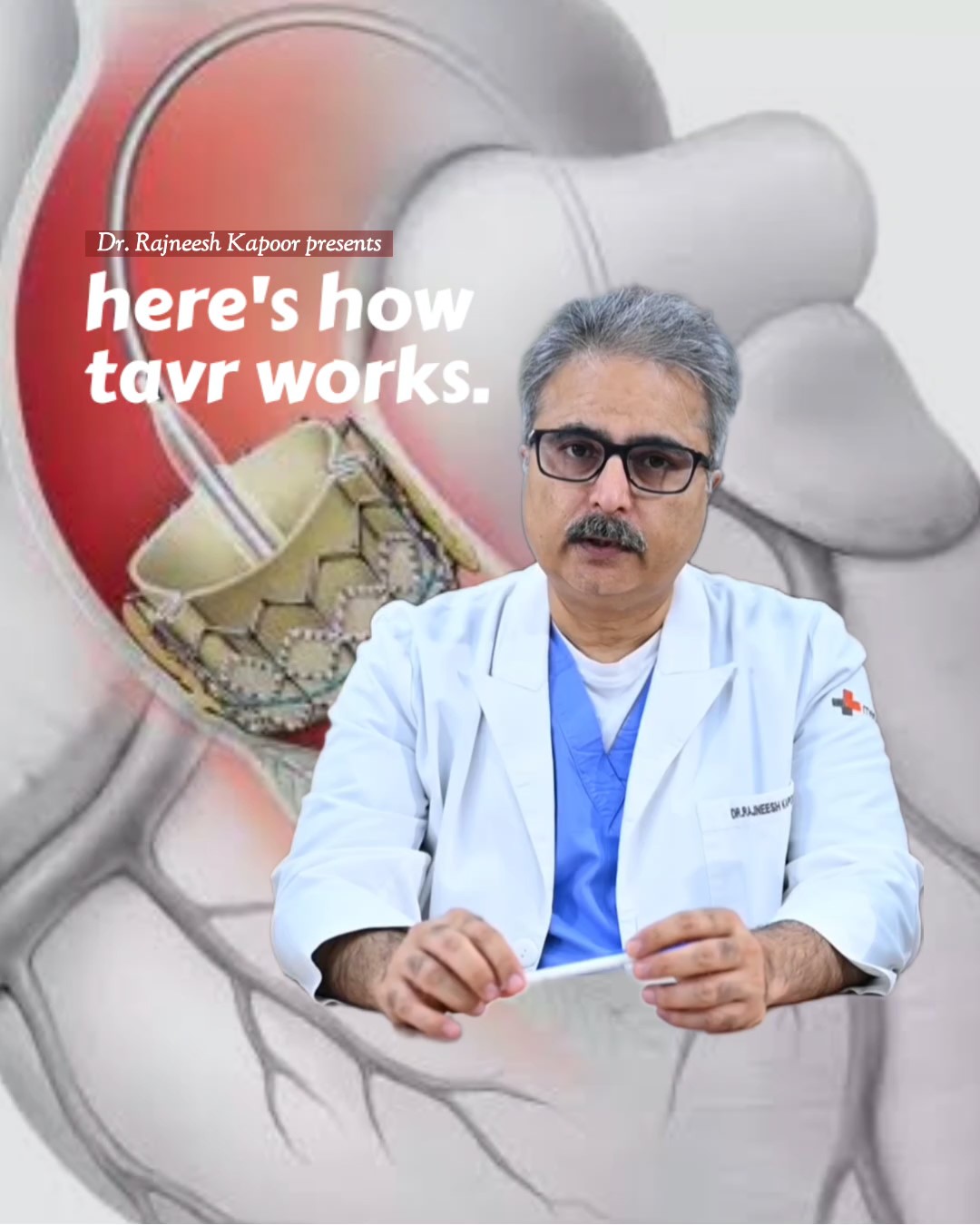
Transcatheter Aortic Valve Implantation (TAVI/TAVR) is a minimally invasive, catheter-based procedure for aortic valve replacement. It may be considered for patients who are not ideal candidates for open surgical valve replacement, subject to a cardiologist's assessment.
What is TAVI? TAVI (Transcatheter Aortic Valve Implantation), also known as TAVR, is a minimally invasive, catheter-based procedure used to replace a damaged aortic valve without open-heart surgery.
Who is a candidate for TAVI? TAVI may be considered for patients with aortic stenosis who are not ideal candidates for open surgical valve replacement, based on a cardiologist's evaluation. Suitability varies by patient.
What are the symptoms of aortic stenosis? Common symptoms can include breathlessness, fatigue, chest discomfort, and fainting, though symptoms vary from person to person. A cardiologist's evaluation is needed for diagnosis.
How is TAVI different from open-heart valve surgery? TAVI is performed through a catheter, typically without opening the chest, and may involve a shorter hospital stay and recovery period compared to conventional surgery, depending on the patient's condition.
What is the recovery time after TAVI? Recovery varies by patient. Please consult your treating cardiologist for guidance specific to your case.
This content reflects one patient's individual experience and is shared for general informational purposes. It should not be used as a basis for medical decisions. Please consult a qualified healthcare professional for advice relevant to your situation. For general information about TAVI, visit tavr-india.com. To speak with our team, contact us via WhatsApp. --------------------------------------------------------------------- Related searches: what is TAVI procedure, TAVI vs open heart surgery, aortic stenosis symptoms, aortic valve replacement without surgery, TAVI recovery time, TAVI Medanta Gurugram, Dr Rajneesh Kapoor interventional cardiology, TAVR India patient story, who is a candidate for TAVI, aortic valve narrowing treatment

Share This News